
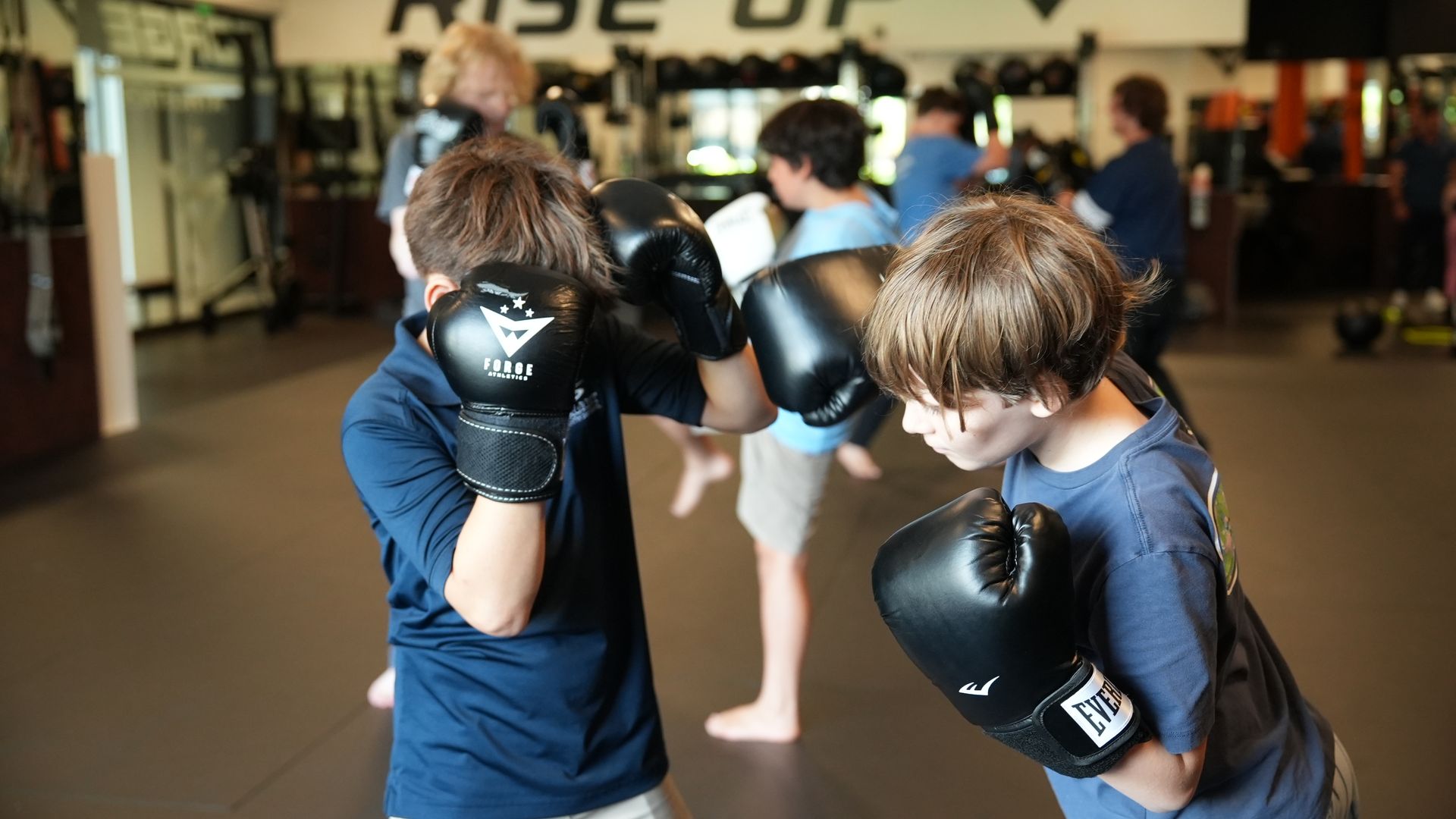
The teenage years are when training stops being an activity and starts being an identity. Our Youth MMA classes take that seriously: teens learn real technique with real standards, in a room where effort is expected and coached, not just supervised.
Sparring is part of the path, introduced gradually and only when a student has the skill and maturity to take part safely. Protective equipment is worn, partners are matched by age, size and experience, and coaches supervise closely.
Over thirty years of teaching, Coach Wil's students have included twelve national and world champions. Most students are not chasing titles, and that is the point: the same coaching that builds champions builds confident, disciplined teenagers.
Six days of teen training
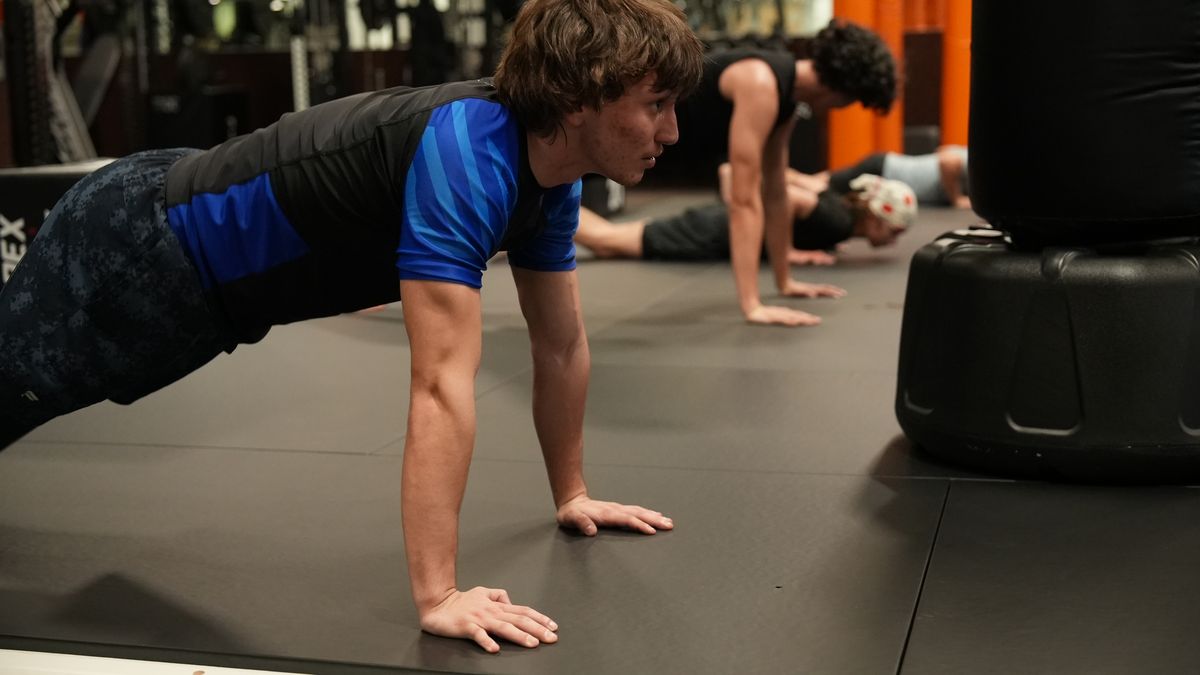
MMA plus strength, speed, agility and coordination work that improves overall athletic performance for any sport they play.
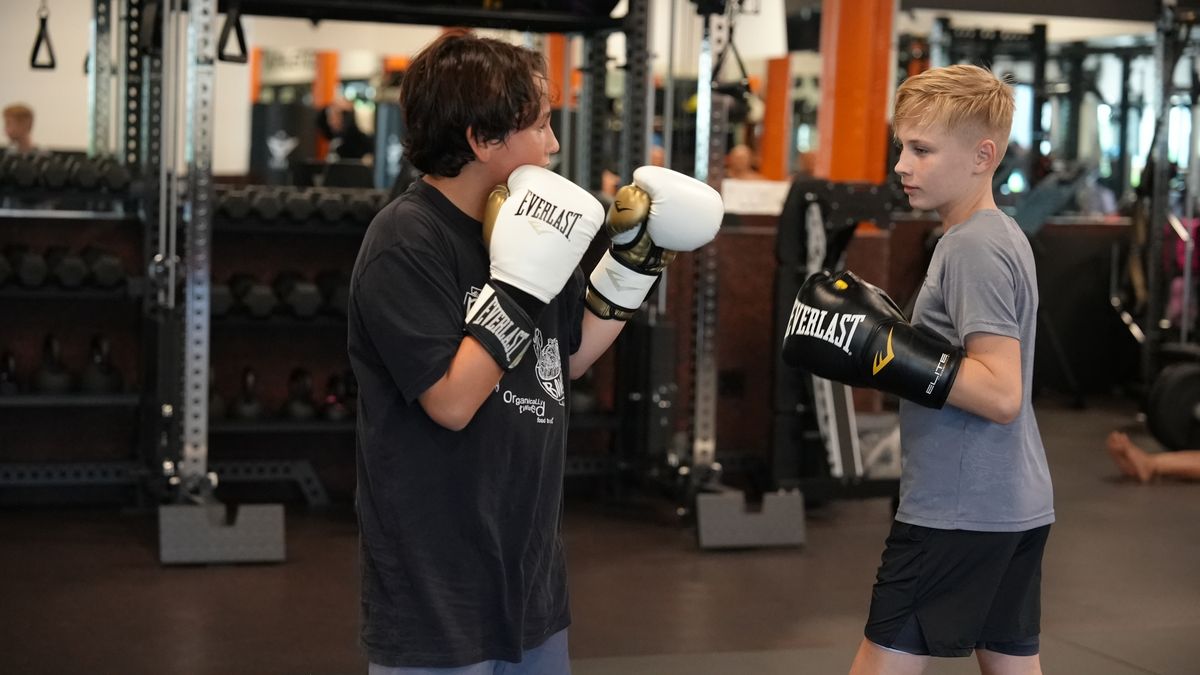
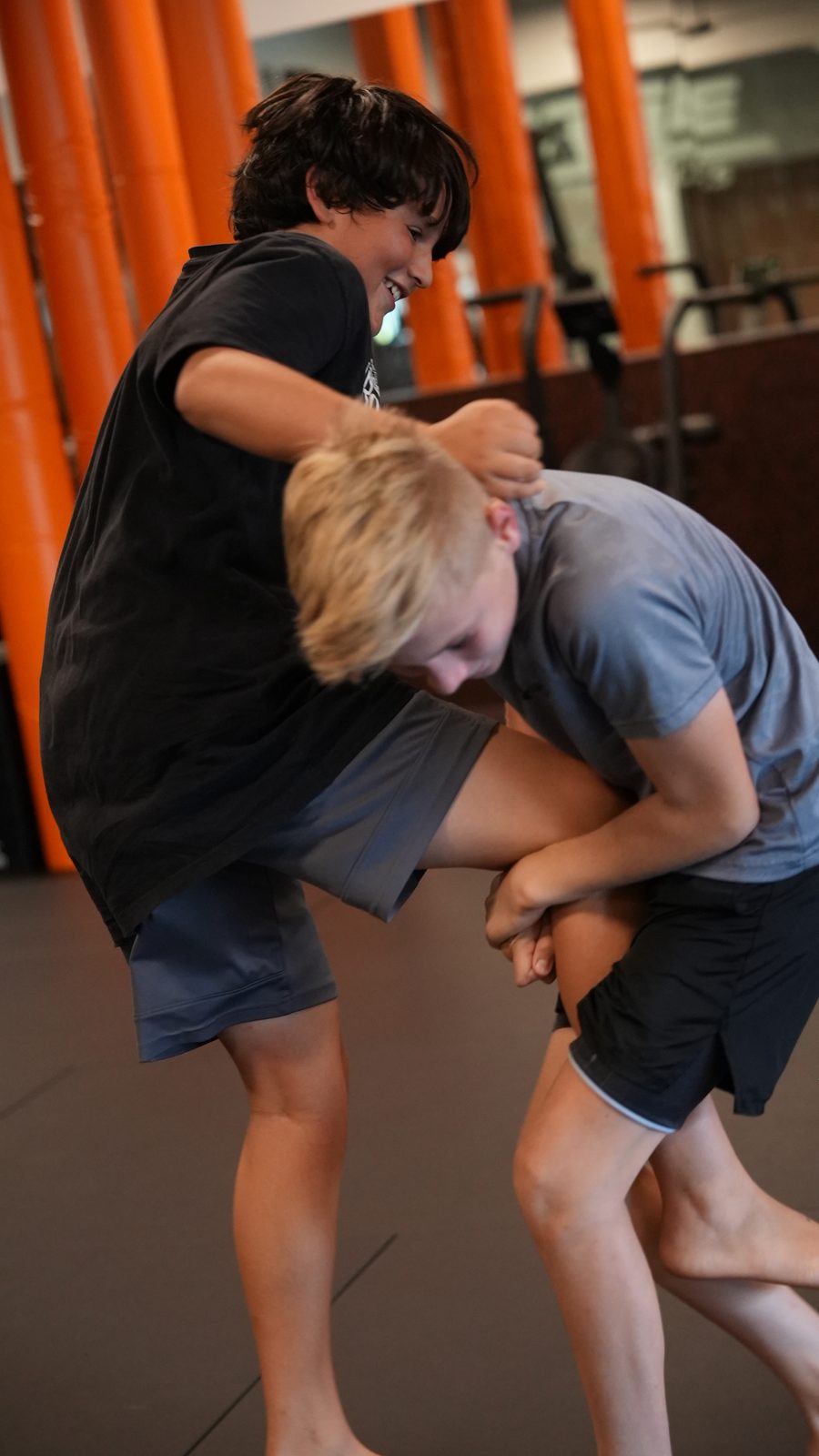
The core MMA class: striking, wrestling and ground grappling, taught as one skill set with proper technique and control.
Youth-Teen-Adult MMA on Saturday welcomes ages 13 and up at every level, beginners included. Teen & Adult MMA (Advanced) is open enrollment for students with at least two to three years of prior martial arts training, after a conversation with the coach about current level. Real MMA and sparring live here, and nobody arrives at them by accident.
New to MMA and 13 or older? Book a free Saturday class and tell us it is the 11:15am class. For the Advanced class, text or call (239) 799-KICK first so the coach can talk through your training history.
Weekday classes serve ages 11-17, with placement also weighing experience and maturity. On Saturdays, 11 and 12 year olds train in Kids MMA at 10:30am. Ages 6-12 train in Kids MMA. Full grid on the schedule.
Skills that carry past the mat
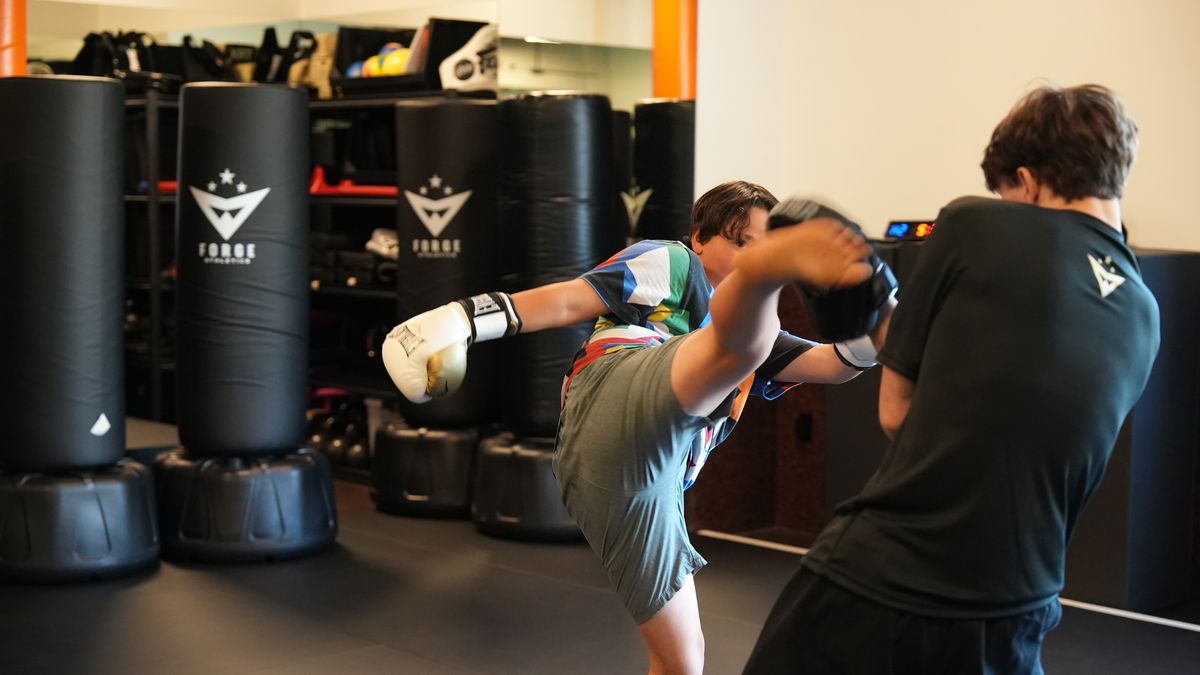
Boxing, kickboxing, wrestling and jiu-jitsu build genuine capability, and capability is where teenage confidence actually comes from.
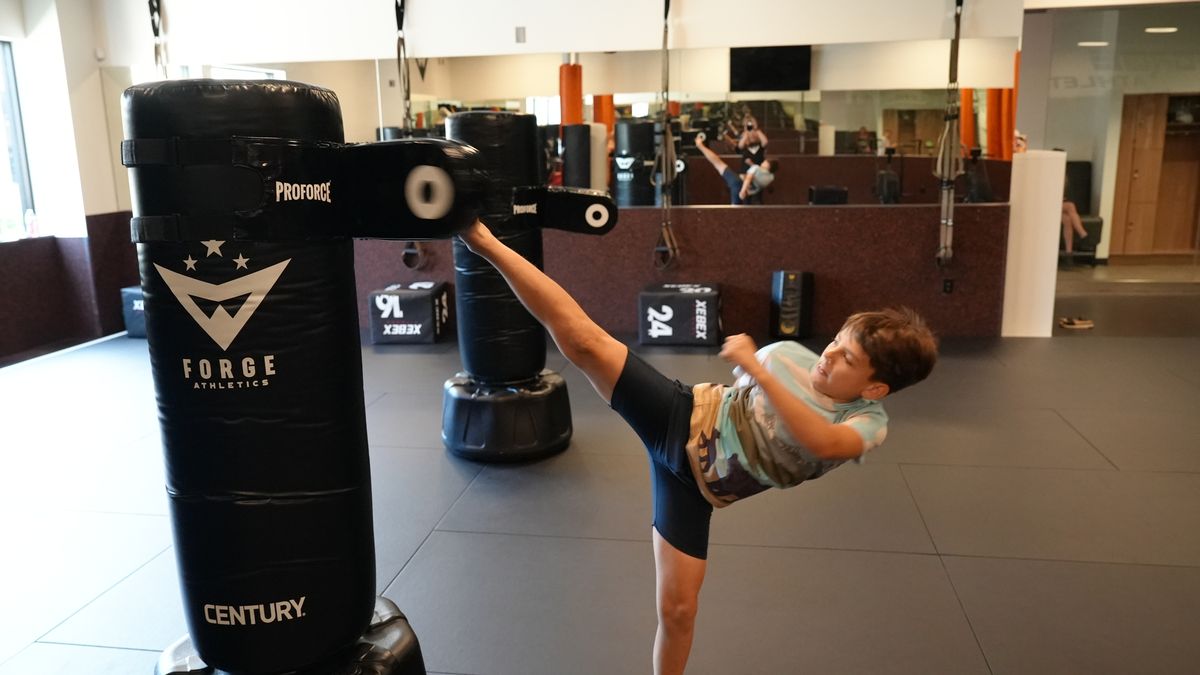
Strength, agility and conditioning work that shows up in every other sport, from the football field to the swim lane.
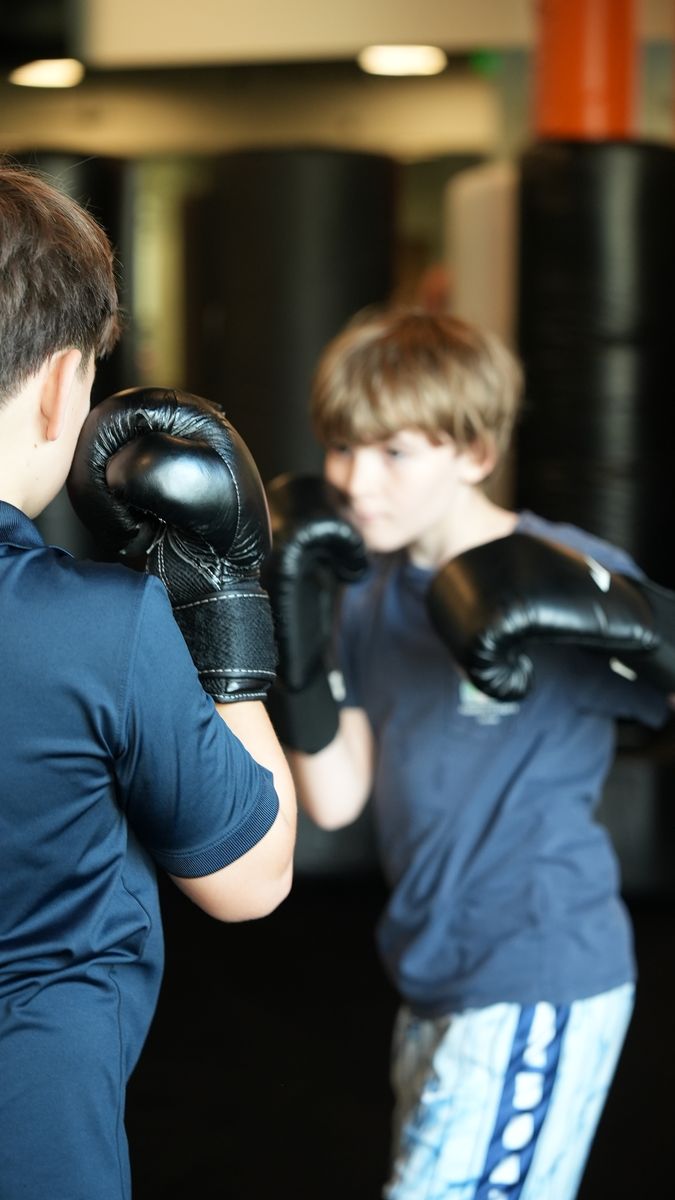
Structured training with real standards, run by coaches who hold teenagers to them and back them while they get there.
Also for young athletes: one-on-one kids and teen personal training.
What the First Class Looks Like
It starts at the front desk: a welcome for your teen and for you, a quick tour, and an introduction to the coach and a few classmates before class begins.
The class itself has a shape. A dynamic warm-up of twelve to fifteen minutes, which the coaches also use to get to know a new student. About fifteen minutes of instruction from that week's curriculum: boxing, kickboxing, grappling, MMA or self-defense. Then ten to twelve minutes of live application: partner drills, controlled grappling, light contact or bag work. A new teen is watched through the warm-up and instruction first, then paired with a more advanced student who has the control to guide a beginner, or directly with a coach. Control is the etiquette here, and the drill's rules are restated before it starts.
Class closes with a few quiet minutes of breathing and settling. A first-timer who put in a good effort usually leaves with their first belt, and the coach talks with the family afterward. If your teen wants to continue, the front desk will walk you through memberships.
Teen MMA questions
What happens at my teen's first class?
It starts at the front desk with a welcome and a quick tour. The coach introduces your teen to students in the class so they already know a few people before training begins. They warm up with the group, learn that week's material, and finish with carefully supervised live work matched to their level. A first-timer who does a good job usually earns their first belt at the end of class.
Is there sparring in the first class?
Light-contact sparring can be part of the live segment, including during a first class when the coach determines it is appropriate. Coaches watch the teen through the warm-up and instruction first, then match them with a more advanced student who has the control to guide a beginner, or work with them directly. Coaches continually supervise and correct the drill to maintain control, safety, and each student's comfort level.
Does my teen need martial arts experience or a certain fitness level?
No. Your teen does not need previous martial arts experience or a certain fitness level before starting. Coaches meet them at their current level, teach the skills in order, and build their conditioning through training.
What should my teen bring to the first class?
For a first Youth MMA class, your teen only needs comfortable clothes they can move in and a water bottle. Loaner gloves are available, and the Forge uniform is only required after enrollment.
What ages does Youth MMA serve?
Youth MMA serves ages 11-17 on weekdays, Monday through Friday at 4:45pm. On Saturdays, the 11:15am class is Youth-Teen-Adult MMA for ages 13 and up, all levels, and 11 and 12 year olds train in Kids MMA at 10:30am. Because the Kids MMA and Youth MMA age bands overlap at ages 11 and 12, coaches may also consider the student's experience and maturity when recommending the best placement.
Who can join Teen & Adult MMA (Advanced)?
Teens and adults with at least two to three years of prior martial arts training. Enrollment is open, and it starts with a conversation with the coach about your current level, because this class includes real MMA and sparring. If you are newer to MMA, the Saturday Youth-Teen-Adult MMA class welcomes ages 13 and up, including beginners, and Co-Ed Kickboxing is another option for striking without sparring.
First class is free
They train, you watch, then you both decide. No pressure and nothing to buy in advance.